Rising from the Bohol Sea as a volcanic jewel, Camiguin carries centuries of dramatic history beneath its emerald peaks and black-sand shores. From ancient Visayan settlements to Spanish colonial conquest and catastrophic eruptions, every corner of this small island tells a story that demands to be heard.
Camiguin Island is one of the youngest landmasses in the Philippine archipelago, born entirely from volcanic activity over millions of years. The island sits atop a chain of volcanoes — it boasts more volcanoes per square kilometer than any other island on Earth, with seven volcanic cones defining its dramatic silhouette. Long before recorded history, the island's fertile soils and rich marine waters attracted early Austronesian peoples who migrated southward through the archipelago. Archaeological evidence and oral traditions from the indigenous Camiguinon people suggest continuous habitation for well over a thousand years, with communities thriving on fishing, farming, and inter-island trade throughout the ancient Visayan world.
Before Spanish contact, Camiguin was part of the loose network of barangay-based polities that characterized pre-colonial Philippine society. The island's inhabitants spoke a variant of Visayan and maintained trade relationships with neighboring islands including Mindanao and Bohol. Early communities were organized under datus, local chieftains who governed through customary law and kinship ties. The island's volcanic soil yielded abundant harvests of root crops and tropical fruit, while the surrounding reef systems provided plentiful seafood. This self-sufficient, culturally rich society would remain relatively undisturbed until the arrival of Spanish explorers in the sixteenth century fundamentally reshaped every aspect of Camiguinon life.
Spanish colonization of Camiguin began in earnest in 1598 when Augustinian Recollect missionaries established the first Catholic mission on the island. The town of Catarman became the earliest seat of colonial administration, and the missionaries set about systematically converting the indigenous population to Roman Catholicism. The Spanish policy of reducción — consolidating scattered communities into organized towns centered around a church — dramatically restructured how Camiguinons lived and identified themselves. Within decades, the church had become the undisputed center of civic and spiritual life, a legacy so deeply embedded that today Camiguin is dotted with centuries-old churches and religious festivals that remain among the most fervent in the Philippines.
The most haunting relic of the Spanish colonial period is the sunken cemetery off the coast of Bonbon — one of Camiguin's most iconic and eerie landmarks. A massive eruption of Vulcan Camiguin between 1871 and 1875 buried the old town of Catarman and its cemetery beneath lava flows and volcanic debris. As the land gradually subsided, the graveyard slipped beneath the sea, where it remains today marked by a large cross visible above the waterline at low tide. Divers and snorkelers can still explore the submerged tombstones, making it one of the most extraordinary underwater historical sites in Southeast Asia and a powerful testament to the island's volcanic volatility.
The 1871–1875 eruption of Vulcan Camiguin was not the island's only volcanic catastrophe. Mount Hibok-Hibok, the island's most active volcano, erupted violently in 1948 and again in 1951, with the 1951 eruption proving particularly devastating. That eruption killed approximately 500 people and sent thousands fleeing their homes. Entire villages were swallowed by lava and pyroclastic flows, and agricultural land was destroyed overnight. Despite these recurring tragedies, the Camiguinon people demonstrated remarkable resilience, rebuilding their communities and maintaining their cultural identity through each successive disaster. This pattern of destruction and renewal has shaped a uniquely stoic yet celebratory character in the island's people that visitors sense immediately upon arrival.
Camiguin was officially designated the 74th province of the Philippines on June 18, 1966, when Republic Act No. 4669 was signed into law. Previously a sub-province of Misamis Oriental, its elevation to full provincial status gave the island its own government and identity, a milestone the Camiguinon people celebrate with great pride. The provincial capital was established in Mambajao, the island's largest municipality, which remains the commercial and administrative heart of Camiguin today. This political autonomy allowed local leaders to chart a development course that would eventually prioritize eco-tourism, cultural preservation, and sustainable agriculture — most notably the cultivation of the prized Camiguin lanzones fruit.
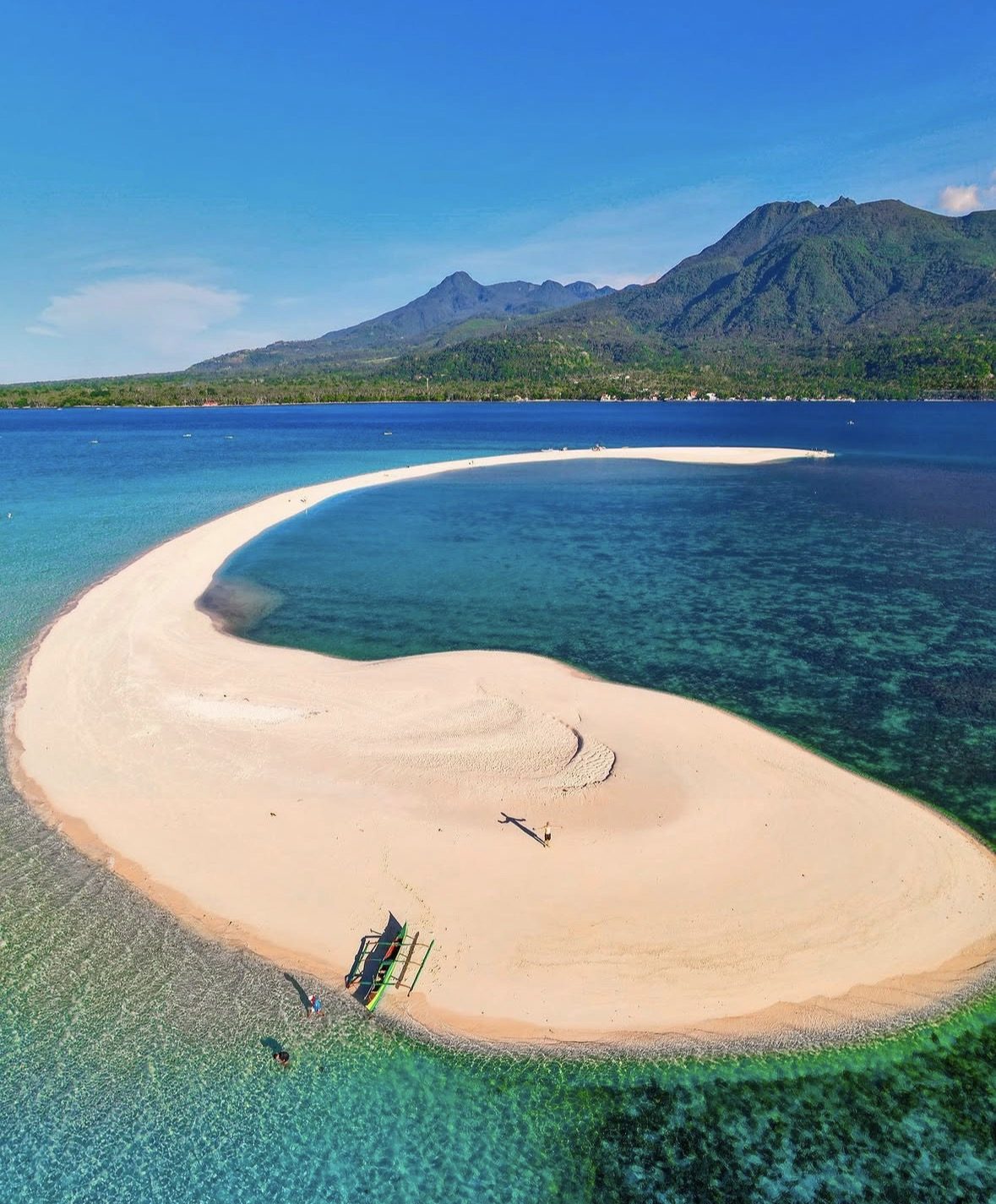
Tourism began to take root in Camiguin during the 1980s and accelerated significantly through the 1990s and 2000s as travelers seeking alternatives to Boracay's commercialized beaches discovered the island's raw, unspoiled beauty. The Philippine Department of Tourism recognized Camiguin's exceptional combination of natural and cultural assets, promoting it as a premier eco-tourism destination. The island gained international attention for its extraordinary density of attractions within a small area — hot and cold springs, waterfalls, volcanic lakes, white island sandbar, coral reefs, and colonial-era ruins — all accessible within a single day's exploration. Travel publications worldwide began listing Camiguin among Asia's hidden gems.
The annual Lanzones Festival, held every third week of October, has become Camiguin's most celebrated cultural event and a major tourism drawcard. The festival gives thanks for the annual harvest of the island's famous lanzones — a small, sweet fruit that thrives uniquely in Camiguin's volcanic soil and carries a distinctive sweetness absent in lanzones grown elsewhere. Street dancing competitions, cultural parades, and elaborate costumes transform Mambajao into a riot of color and music for an entire week. The festival has been recognized nationally as one of the Philippines' most authentic and joyful harvest celebrations, drawing visitors from across the country and from overseas each year.
Modern Camiguin strikes a careful balance between welcoming visitors and protecting the natural and cultural heritage that makes it exceptional. The island's population of roughly 90,000 people remains deeply connected to the land and sea, with fishing and agriculture still central to daily life alongside a growing tourism economy. Mount Hibok-Hibok, now monitored continuously by PHIVOLCS, the Philippine Institute of Volcanology and Seismology, draws trekkers who hike to its crater for panoramic views over the Bohol Sea. The Ardent Hot Springs, fed by geothermal activity from the same volcanic system, offer a soothing soak within a lush forest setting that draws visitors year-round. Heritage churches, colonial ruins, and living oral traditions ensure that history is never far from the surface.
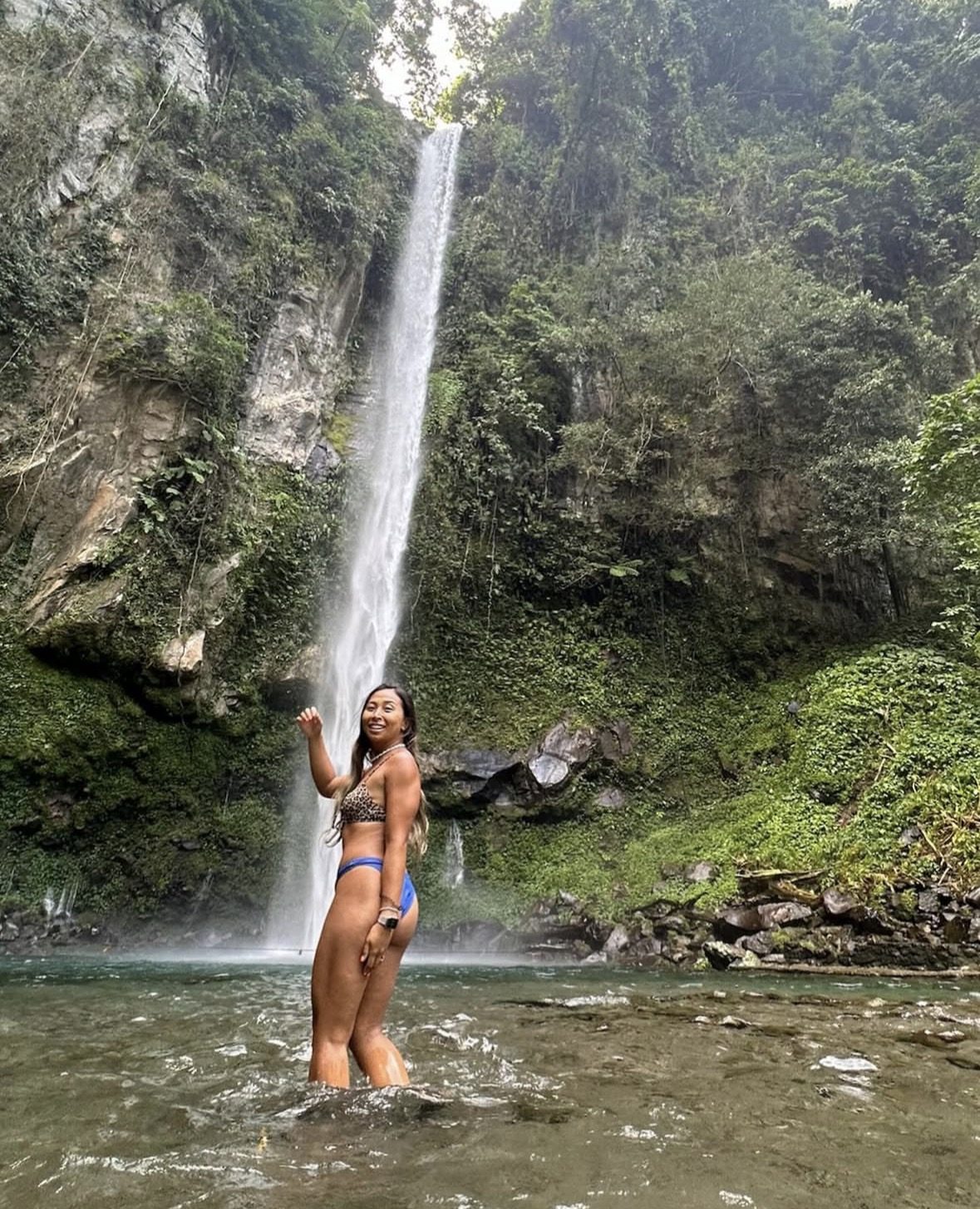
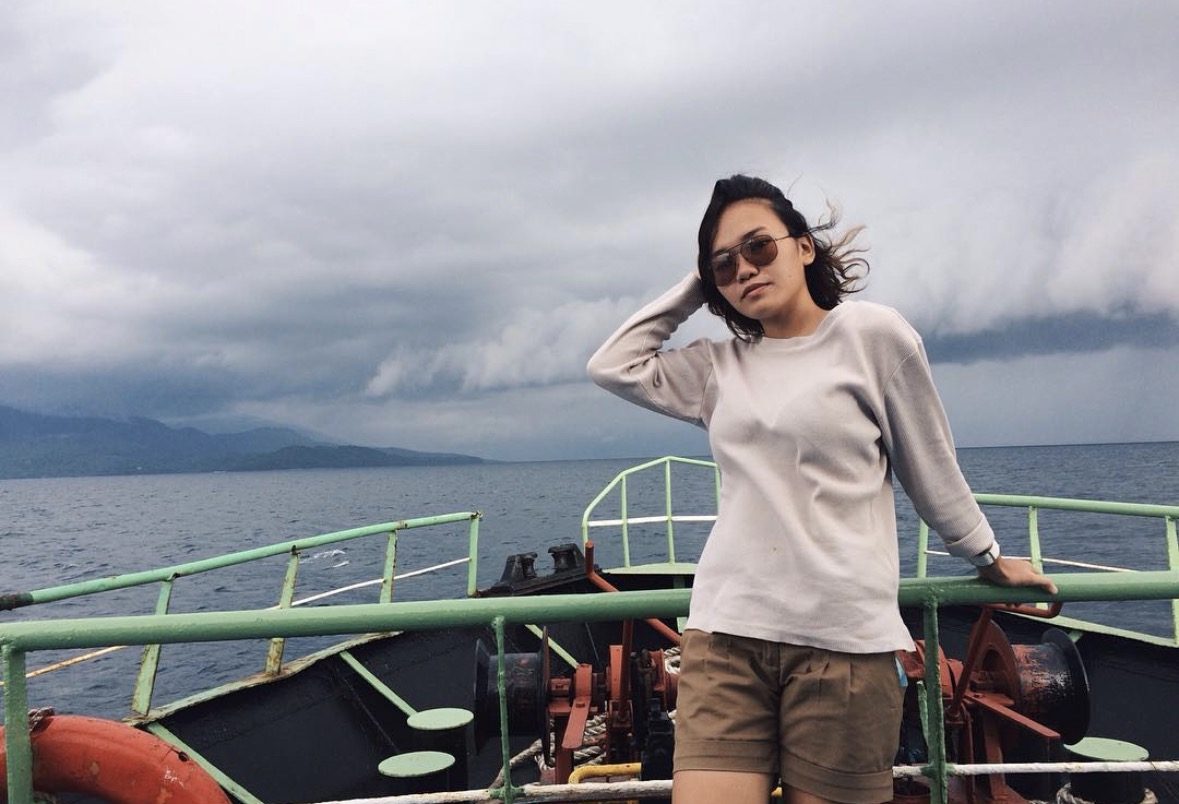
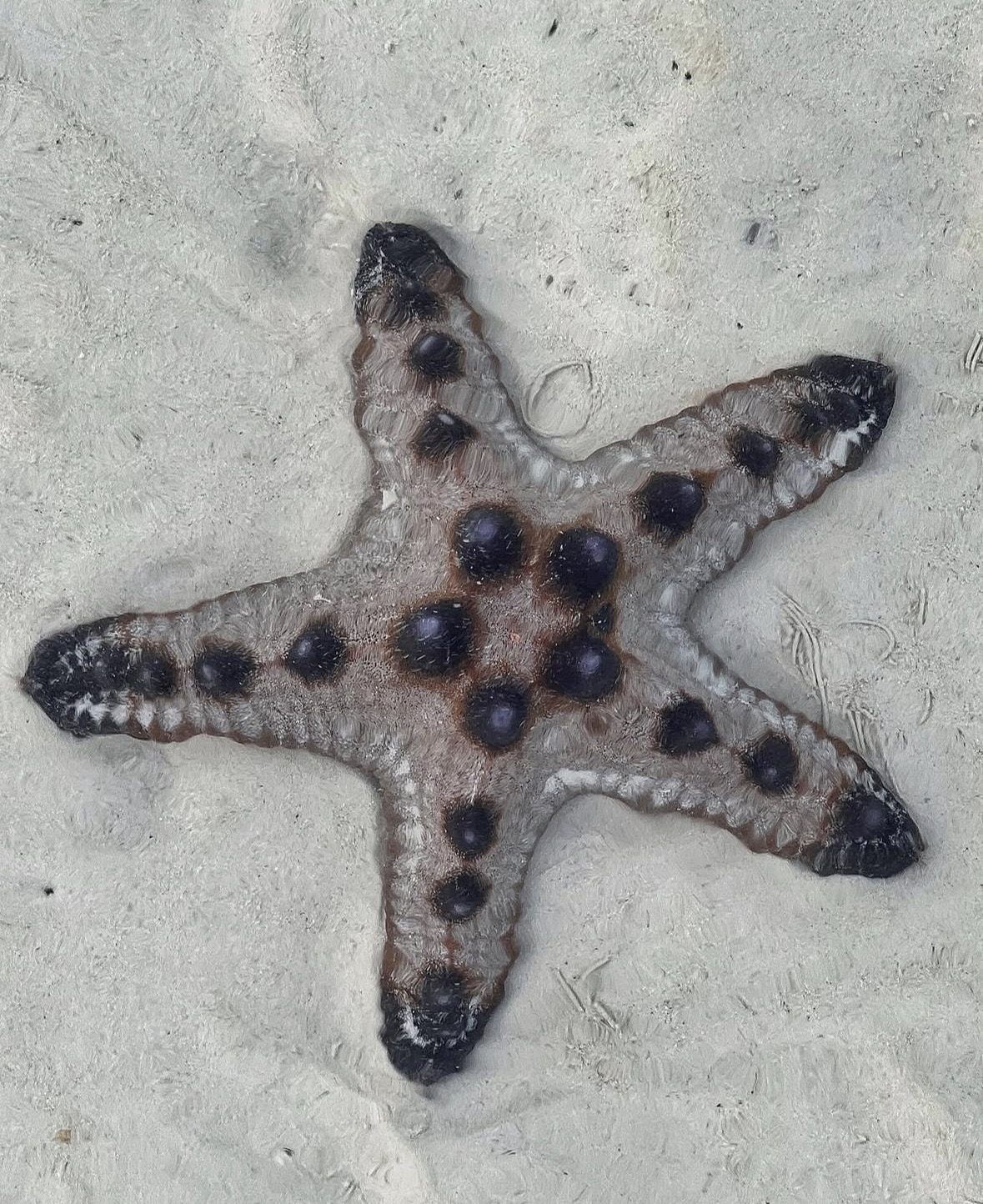
For travelers willing to venture beyond the obvious tourist trail, Camiguin rewards with depth and authenticity that few Philippine islands can match. Here, a single afternoon can take you from snorkeling above sunken tombstones to swimming in the cool cascade of Katibawasan Falls to watching the sun set behind volcanic peaks painted orange and gold. The warmth of the Camiguinon people, shaped by centuries of resilience and faith, makes every interaction feel genuinely welcoming rather than transactional. Whether you come for the volcanic drama, the colonial history, the extraordinary marine life, or simply the unhurried pace of island life, Camiguin will leave its mark on you long after you board the ferry home.
Ready to Experience It Yourself?
Camiguin's extraordinary blend of volcanic landscapes, sunken history, and vibrant island culture is best experienced with knowledgeable local guides who bring every story to life. Browse our curated selection of Camiguin tours — from heritage trail walks and underwater cemetery dives to Hibok-Hibok summit treks and Lanzones Festival packages. Secure your spot today and discover why this small island of fire and faith captures every traveler's heart.
Book Your Tour Now